At ELC, the Montessori method means that the classroom is prepared with intention, the materials are sequenced with precision, and the teacher’s role is to observe, know when to step forward and when to step back.
1.The prepared environment
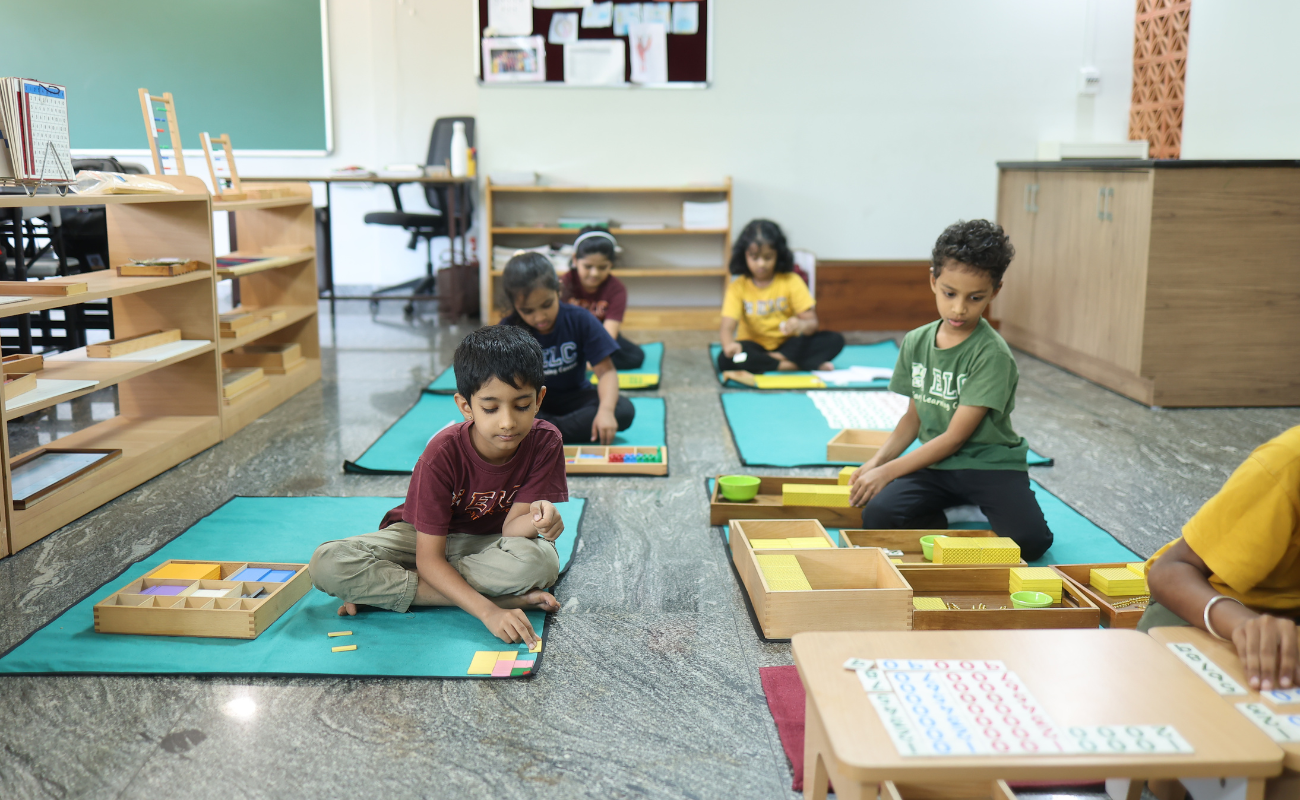
In Montessori, the classroom itself is a part of the lesson. The materials matter, but what matters more is why they are there and when children can encounter them. Materials are arranged so children move from hands-on exploration into abstract thinking at their own pace. We often see a child repeat something many times, not because they were told to, but because the environment invites self-driven practice. Children learn independence through practice.
2. Freedom of thought with minimal interruption
Think back to the last time you had to shift rapidly between tasks at work every 30–40 minutes. Ideas and learning are often helped by thoughts being given time to build momentum. We give children the freedom to learn in an uninterrupted cycle while working with them to ensure they take responsibility for their time. They choose how they interact with their environment; we are there to guide them.
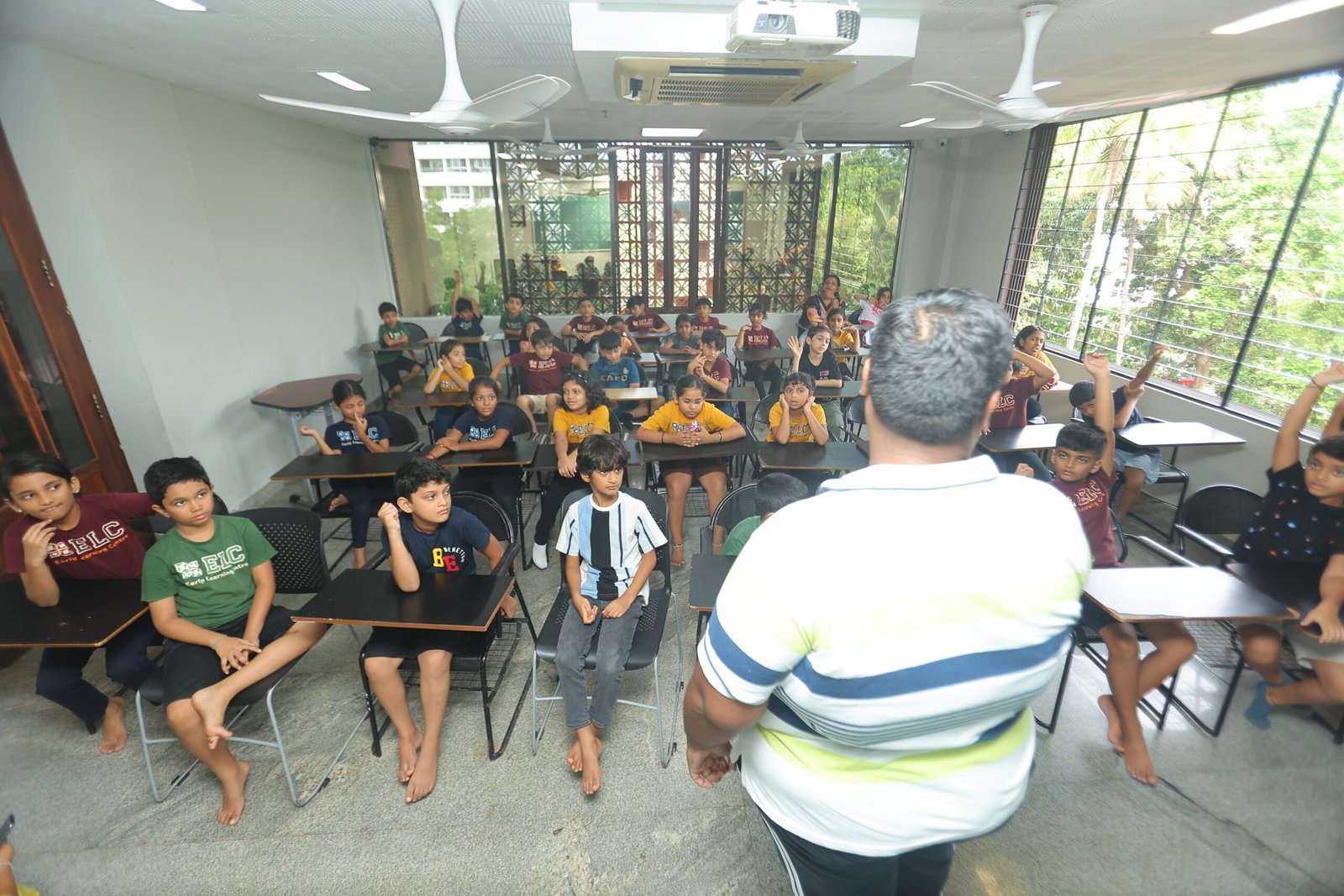
Children don’t naturally learn in 40-minute blocks. They need time to get distracted, come back, choose again, sometimes even get a little bored. The child may look like they are losing focus, but if left undisturbed, they often settle into deep concentration shortly after. We preserve this for children so they can explore learning at their own pace and reach depths of knowledge that cannot be achieved in short 40-minute bursts that rapidly switch between subjects.
3. Mixed-age groupings
Montessori classrooms are built around mixed age groups, so they function more like small communities than classes. You might see one of our older children showing a younger one how to roll a work mat or helping them find something they’re looking for. And often, the older child gains a better understanding of the concept they are explaining. When you teach someone else, you are putting your knowledge into practice. For the younger children, it teaches them that sharing your learning is a practice that grows knowledge in others and within.
4. The role of the educator
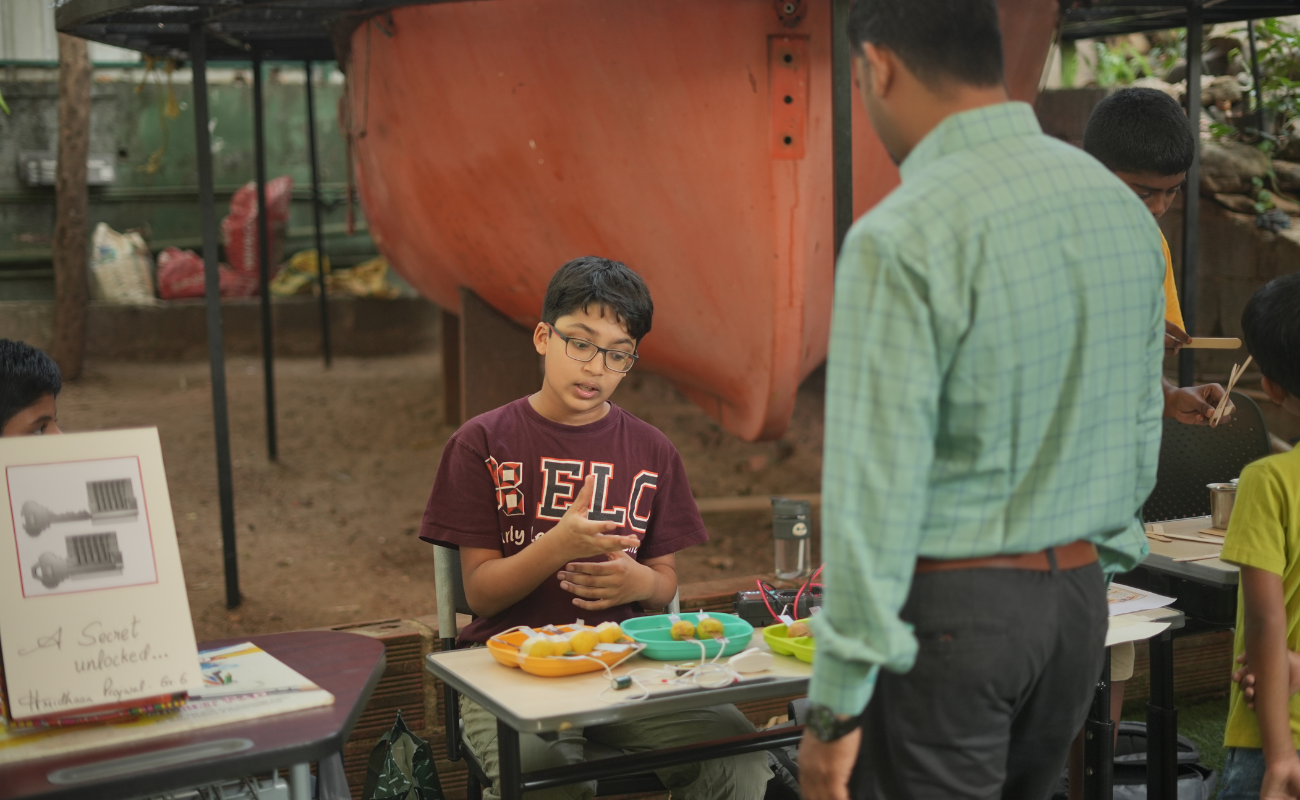
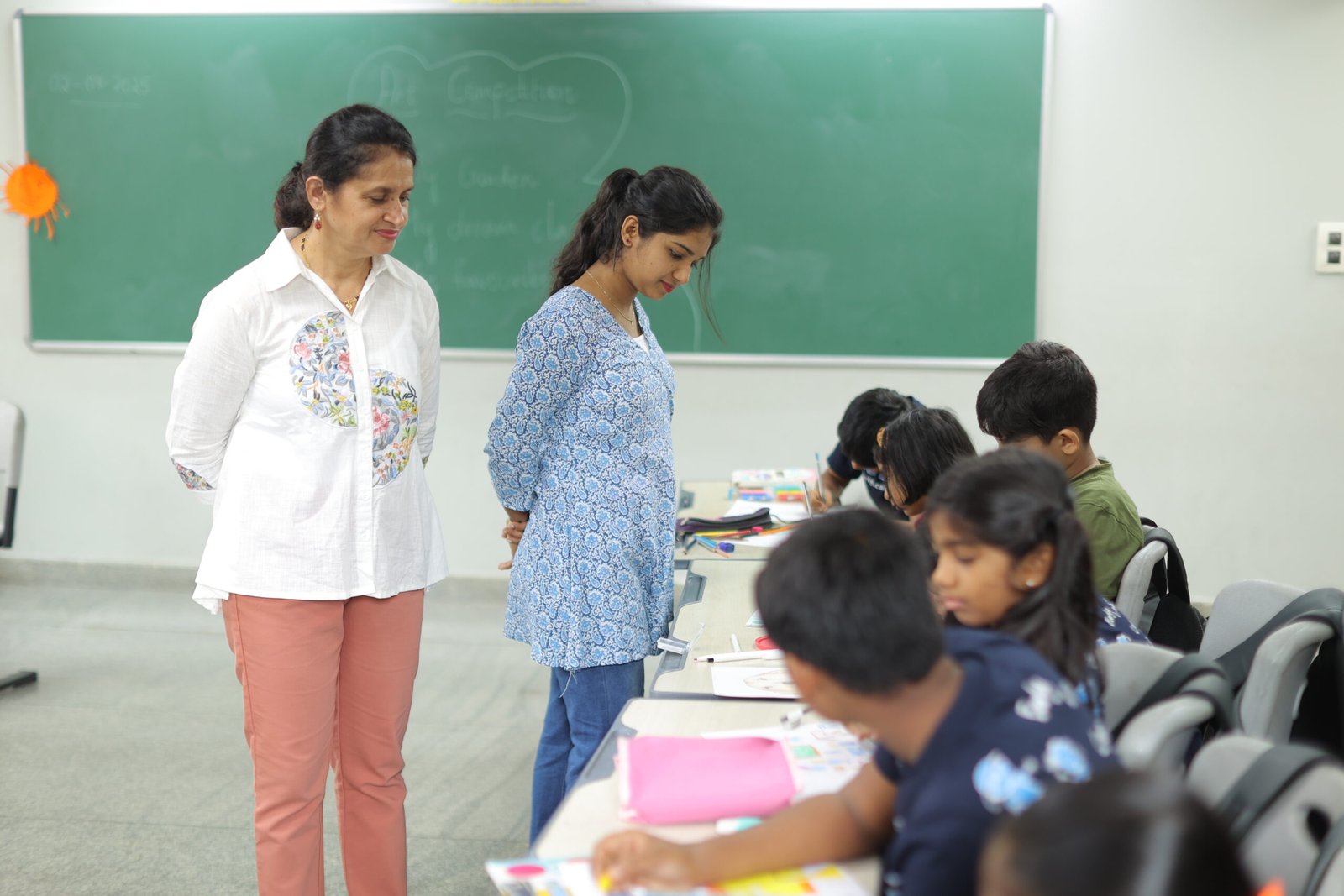
The biggest shift for many people is understanding that the Montessori adult in the classroom is not constantly “teaching” in the traditional sense. The educator begins by watching carefully, trying to understand what a child is ready for, when to step in, and just as importantly, when not to.
Good Montessori educators are constantly making decisions based on what they notice with your child. They make thoughtful decisions on when to present something new, when to step back, when to let a child persevere through a challenge.
“Scientific observation then has established that education is not what the teacher gives; education is a natural process spontaneously carried out by the human individual, and is acquired not by listening to words but by experiences upon the environment.”
— MARIA MONTESSORI
What does this look like in a classroom? An ELC parent reflects.
“My four-year-old went from not knowing a word of English or numbers to forming four-digit numbers within four months and reading simple sentences. More than me, she became the biggest proponent of the school.”